Being There: A Vision for Family–Part 2

Read Part 1. Standard caveats apply.

Much as we imagine ourselves teachers and teachable, so many of the most important things I’ve learned have come by chance. Comments overheard, asides, throwaway phrases that, for a peculiar moment, sank deep in my soul. I’m too busy (or too proud) to ask for advice, and these snippets disperse that self-assured fog.

Several years ago, I was representing my organization at a large international missions conference hosted here in Chattanooga. Hours of shaking hands and repeating talking points while standing on concrete in dress shoes left me jelly-kneed and looking for a seat. I ducked into a breakout session with a local pastor, Joe Novenson. If Brother Joe reads this, he may correct my recollection of this story, and he’d certainly point all the credit away from himself, but it sticks with me nevertheless.

I couldn’t tell you what he actually spoke on that hour, but in a brief Q&A, I was floored with a reflection on parenting (I don’t even remember what point he was illustrating). In the midst of sermon preparation, he had a flash of wonder as to the outcome of life for his kids. One at a time, he asked them into his study, looked them in the eye and inquired, “What is the most important thing you’ve learned from me as your father?” His oldest son answered, “Do the right thing.” His second child likewise. Seeking signs of the Gospel of grace working in their lives, he was despairing at hearing his own moralistic instruction coming back to him. When his youngest, a daughter, came in, though, she replied, “Oh daddy, to love Jesus, of course.”

A sweet story, out of context, trite. To me in that moment, wrestling with the challenges of how to “do the right thing” by my young family, it was a devastating blow. A call to die to selfish worry. That was two kids ago.

With young children, it’s easy to believe the doctrine of original sin. There are days I’d give my left leg to have them say that “doing the right thing” even registers as a good idea. In spite of that, I have never doubted for a moment that they love me. They can refuse to obeyGals-4-15 over a thousand petty grievances and go to bed in a huff; but at breakfast all they want is to smother me with hugs.
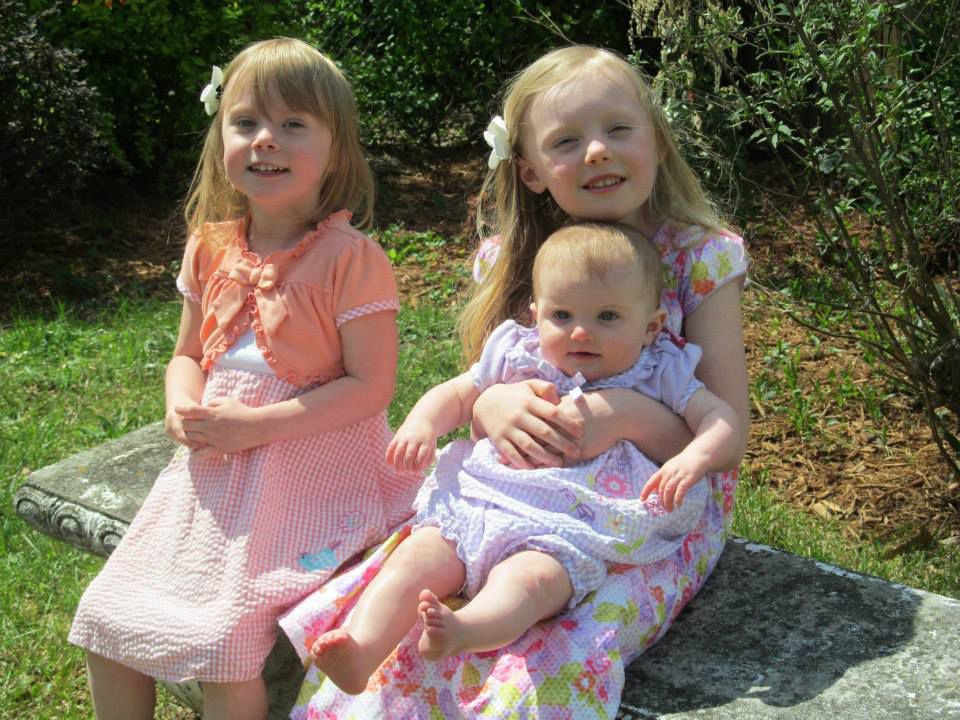
Discipline and order (how I love order!) are most needful, but they will come with training. Love is something that must be cultivated and allowed to flourish. It is ready to grow, but is so easily trampled. The long race of raising children is completed by the daily steps of acknowledging their love for you and making sure they know you love them back. Without that foundation, all the moral instruction in the world will, at best, produce well-mannered pharisees.

Neither does breadwinning alone constitute faithful fatherhood. Professing your love and devotion while working every waking hour to “prepare for the future” is not the strategic move it seems. A friend quipped, “I can’t be a provider for my family if I don’t provide them with myself.” Financially, settling for less may give you more than you ever dreamed.

Of all the roles and responsibilities of dads, loving presence is both the most important and hardest to maintain. Time spent with your children is its own reward. Truth can be taught, food and clothes can be bought, but all the truly worthwhile skills in life only come through apprenticeship.

The kids are watching.
Wisdom of the Ages (and the Aged)

This was originally written as a eulogy for my grandfather, Errol Grant Myhand (1924-2011). I spent a few weeks with him on the family land in Pine Mountain, Georgia, almost every summer from age 4-21 (and plenty of other times as well), so writing this a day after his passing left it very sentimental. Years hence, I wouldn’t change a thing.

I’ve heard it said that the chain of wisdom always skips a generation; that the lessons of lives long lived are instilled in grandchildren by their grandparents while their parents are working to make ends meet.

That’s not to say that our parents are not wise, rather that our ability to absorb their wisdom as children is clouded by familiarity, authority, and selfishness–we’re predisposed to doubt what they tell us until we grow up to realize they knew exactly whereof they spoke. In the time between birth and that epiphany of maturity, God interposes grandparents.

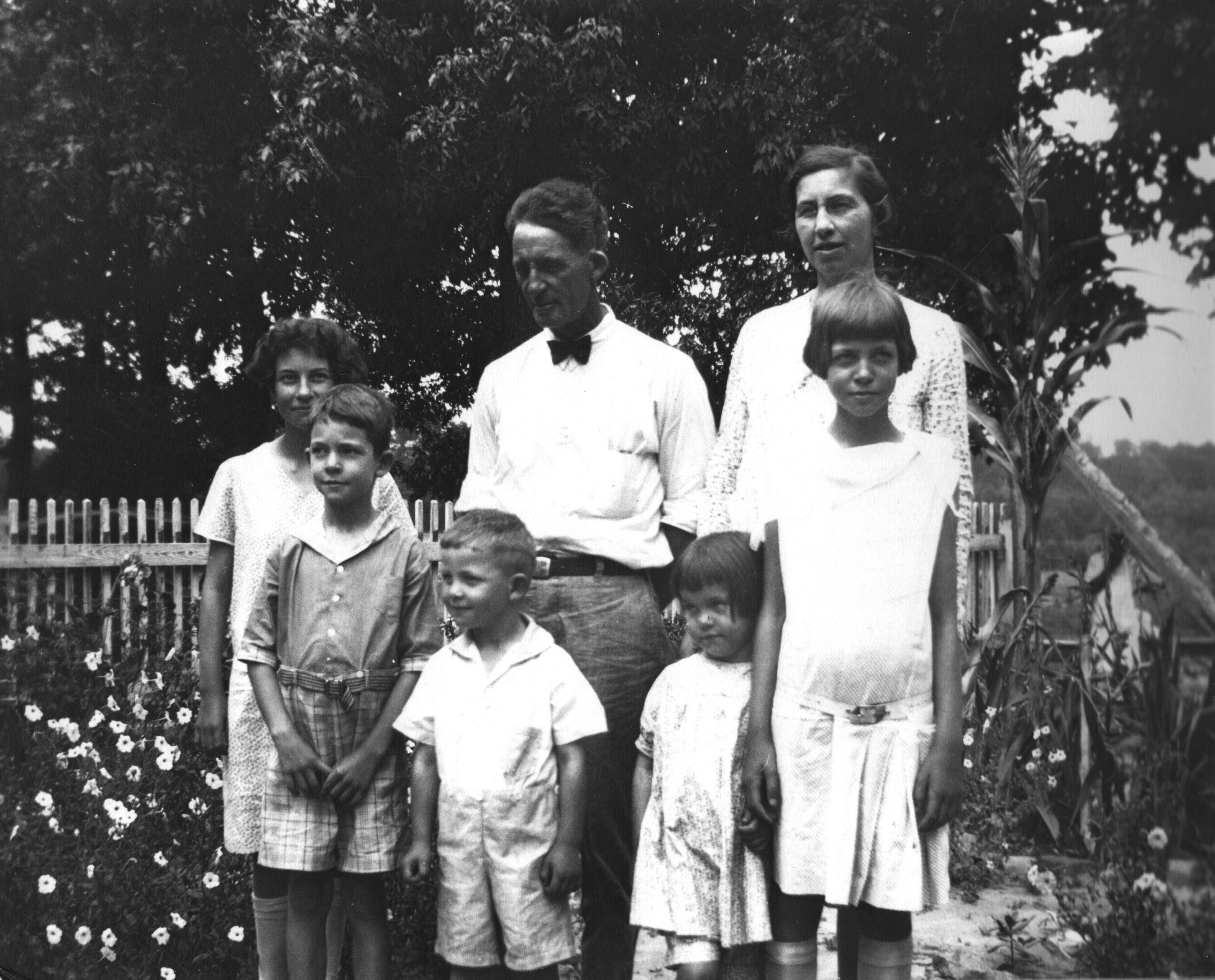
Family portrait, 1929

Family portrait, 1929. He and Aunt Edna (his twin sister) were almost 5 here.

Maybe we listen to them because they’re a curiosity–we don’t see them daily as we do our parents, gray hair and glasses make them seem softer, their habits and customs from an earlier time are both confusing and inviting. Maybe we let them teach us because they offer us love with an infinite patience bolstered by the peace and quiet of living somewhere else (without kids) most of the time.

Whatever the reasons, this cross-generational transfer of wisdom seems to be part of the design of life. Thinking of this after losing Papaw, It’s hard to look at my life and values without seeing his fingerprints everywhere.

Continue reading

Hope and Hazards: A Vision for Family–Part 1

I have neither qualification nor desire to lay another “how-to” straw on the bending back of my fellow parents. Given that raising children is my daily life right now, writing about it from time to time is inevitable. For those of you likewise on this roller-coaster, I offer the following as encouragement, food-for-thought, and the beginning of discussion.

When God grants us stewardship of the next generation, our first and longest task is to remember why. Pursuing that, every other responsibility begins to take form.

As long as men and women have borne children, we have sought to control the outcome of the juggernaut that is “growing up.” Surely even Adam and Eve, raw to their new world of sin and death, wanted the best for their sons—somehow to escape the chains of evil fixed from the womb. Their firstborn murdered his brother, unleashing thousands of years of horror among the rest of their descendants. Children, always the repository of our hopes and dreams, have a fair shot at becoming instead withered cisterns of our fears, disillusionment, and re-enacted mistakes.

Just as often, however, the results come back positive. The rub comes as we wrestle with how to determine one product over another. We all know perfectly wonderful people who sprang from the cradles of awful parents. Likewise, we know those parents who “did everything right,” yet managed to go to their graves panged by the choices of one or more wayward children. Perhaps this sword pierces your own heart also.

Parents are pulled taut in every direction, preyed upon from all corners by those nourished on their fears. A thousand voices cry out, promising the cure for uncertainty—this diet, that discipline scheme, this medication (or avoidance thereof), that education method, my routine, will set you free—delivering your offspring safely to well-adjusted adulthood. Do this, and you’re off the hook. No sooner does one of these fads gain traction with the hopeful masses than a counterinsurgency roars to life, cleansing again the temples of parenthood.

Would that it were this easy.

Would that it were this easy.

Thus distraught, manipulated, and marketed to, what are parents to do? Finding ourselves as still-young men and women vested with this incredible responsibility, the pull to choose a parenting camp and do battle on their behalf is strong. Many (most?) of us hesitate, though, with mounting doubts. Fear closes in whenever silence allows, outmaneuvered only by fatigue. Like Elijah, we find ourselves despairing in the cleft of the mountain, doing our best to ignore the quotidian earthquake and tune out the whirlwind of “solutions.” But the still, small voice breaks in yet, calling us to take courage for He has not forsaken us. Continue reading